ISSAK Work Survey
ISSAK Work Survey is a comprehensive occupational and professional profiling tool. Based on content that is rich in specificity, it leverages items measuring interests, styles, skills, abilities and knowledge areas to predict focus areas at work.
ISSAK Work Survey reports 9 broad competency focus areas and 26 contextual or granular focus areas. These describe various types of strengths at work. ISSAK may be used for understanding work personality, understanding occupational motivation and predicting workplace competencies. ISSAK is designed for predicting workplace outcomes and therefore makes a great tool for making talent decisions in organizations.
Features
ISSAK is comprehensive in its content. It's items have been carefully selected based on research spanning 70,000 job descriptions in identifying various components of work that indicate fitment with roles. ISSAK content is also mapped to the O*NET framework making it more scientific, comprehensive and useful in various occupational contexts. ISSAK content spans interests, styles, skills, activities and knowledge areas, all of them used to predict both satisfaction and performance at work.
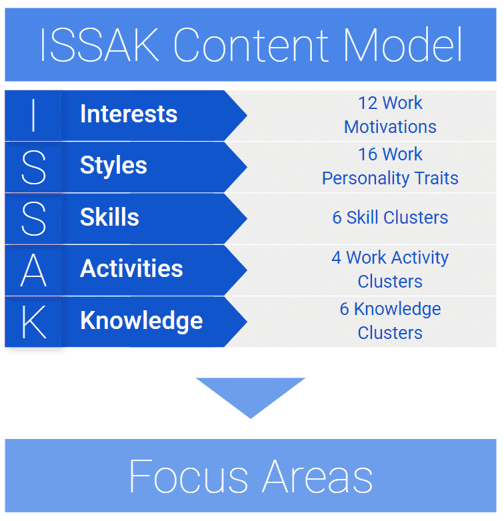
ISSAKs focus areas are 9 meta themes that most occupations center around reflecting the reality of occupations. Great content coverage has led the ISSAK to be more granular with over 132 different scales at the most granular level. These are norm referenced and based on out AI fueled research on what occupational content best works together in jobs and roles. Along with the individual centric scales of motivation and personality, focus areas offer the most complete view of individual's match with occupational requirements.
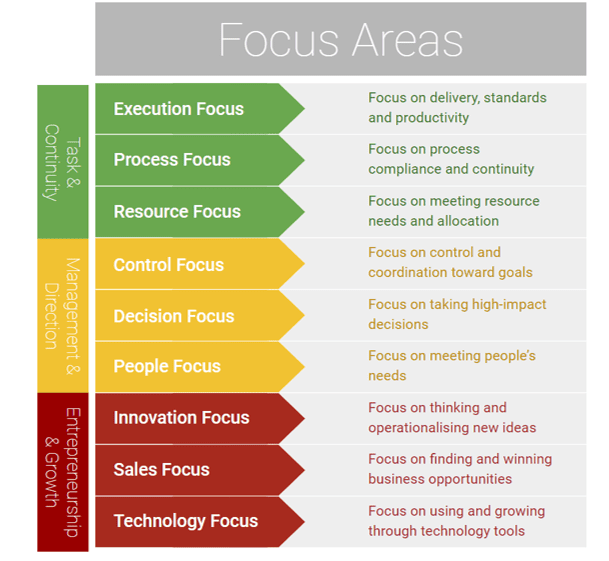
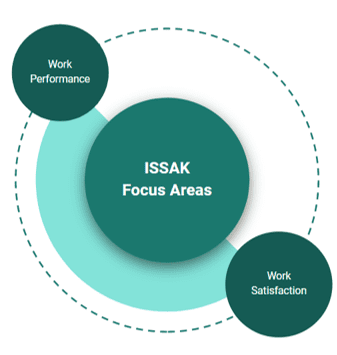
ISSAK covers all content areas - work motivation, personality as well as specific work activities. This has led ISSAK to be holistic in its ability to offer occupational fit insights in various talent processes. Focus Areas predict job performance and work satisfaction both by matching salient features of individual psyche to work related requirements. Focus areas predict what central themes when present in roles can help individuals achieve both performance as well satisfaction.