

Spectrum Personality Survey
Spectrum Personality Survey measures personality traits of individuals that depict ways in which people differ in how they think, feel and behave. Based on the most well researched and scholastically approved models and personality taxonomies, Spectrum brings the academic rigour of the Big Five model to the differentiating power of MIRT. Based on comprehensive studies on big five and extra personality traits, SPS measures personality traits, drives (motivation) as well as adaptive styles.
Reports and Outputs
Complete Personality Profile
16 Personality scales
10 Drive scales
4 Adaptive style scales
Norm Referenced Scoring
Context Agnostic Insights
Competency Indicator Profile
24 Competency Indicators
Great 8 competencies estimates
Consistency Index for each competency
Criterion Referenced Scoring
Workplace Insights
Why use Spectrum Personality Survey?
All SPS instruments are based on the same framework of personality and extra personality constructs. These link together to paint a holistic and complete picture of an individuals personality. These include personality scales, drive (motivation) scales and adaptive styles all of which provide a simple visual snapshot of an individual's self concept at a specific point of time. The framework is informed by the most up to date study of personality psychology, wellness, adjustment and motivation.
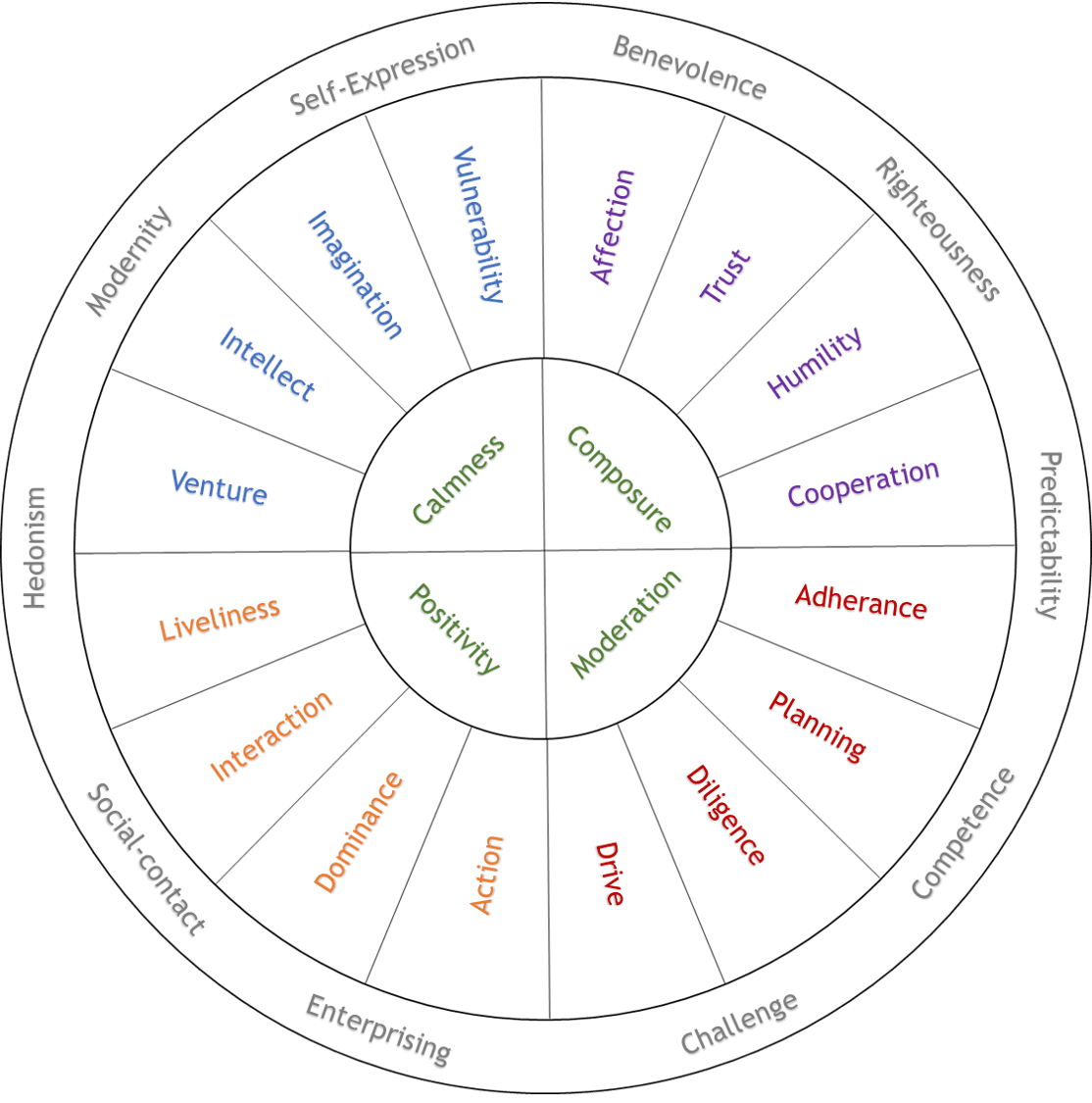
Spectrum is designed to offer deep and integrated insights that truly reflect the complex needs of complex inner and social lives. At the workplace these insights correspond to truly crucial questions. E.g. 'what should I do when I worry too much' or 'when do I worry the most'. Taking situations into account is also paramount. Typically trait instruments do not provide such promising explanations about behaviour because they are atheoretical.

SPS reports are designed to provide measures that are most useful in ascertaining future performance and having developmental conversations at work from a practical standpoint. Competency indicators can be used along with job analysis to carry out better behavioural interviews as well as make high impact selection decisions between available candidates.