
Personality assessment is no exception in a world driven by specialisation via data and deep customisation. Individuals and organizations seeking to understand human behavior have long relied on personality assessments. Over the last few decades, personality assessments have become narrowly focused on predicting outcomes often at the expense of related extra personality constructs. However, there is a growing need for a shift away from narrowly focused specialized assessments and toward holistic personality constructs that measure traits, motivation, and wellness.
Specialized assessments have their place and can provide useful information about specific traits or behaviors. They frequently focus on specific aspects of personality, such as the Big Five, emotional intelligence, or situational judgment. While these assessments provide useful information, they may fall short of providing a complete picture of a person's personality. And absence of a complete picture hurts developmental interventions more than any other application need.
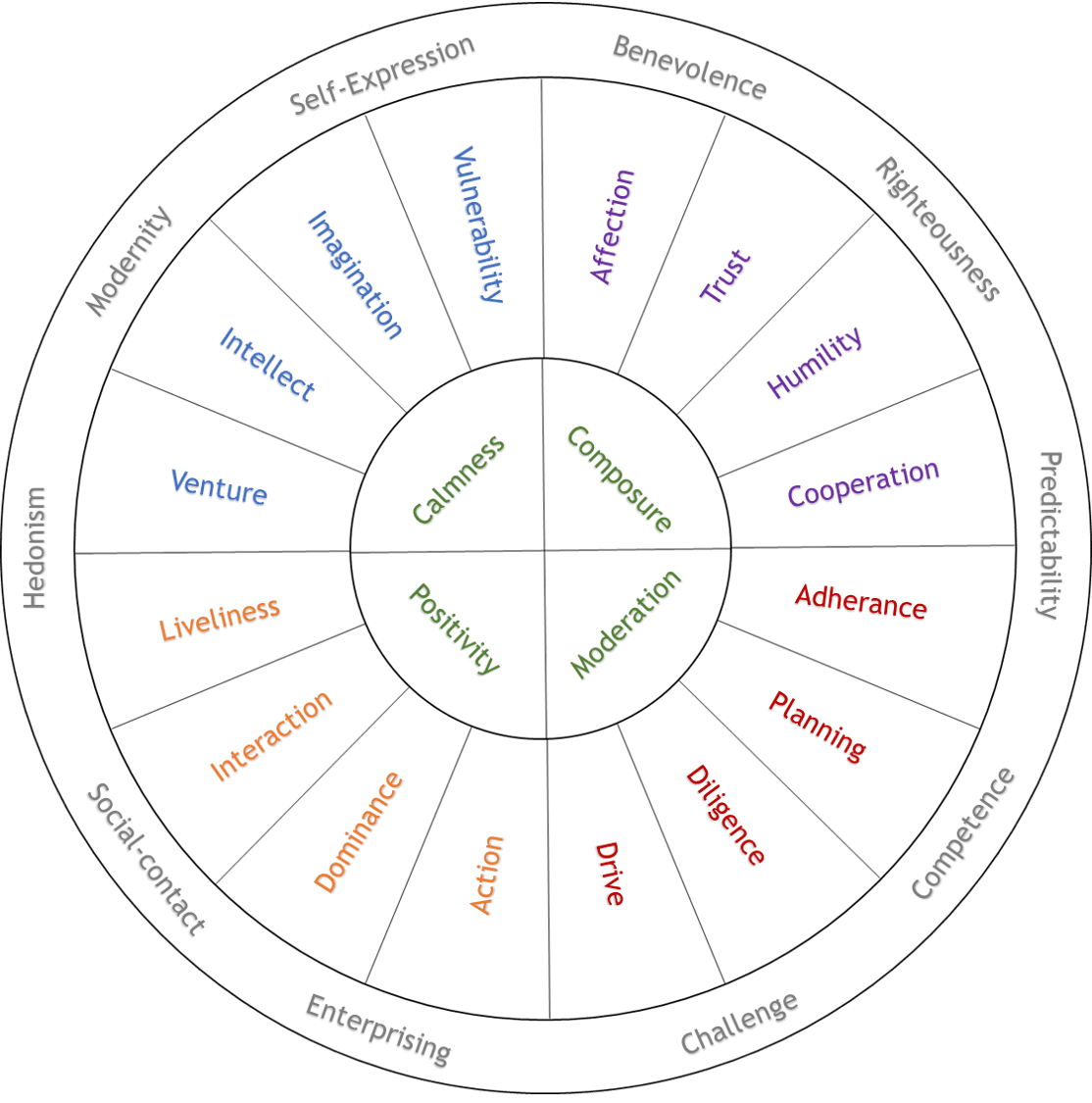
Holistic personality frameworks, like Spectrum, include a broader range of personality traits, motivational factors, and wellness factors. By taking into account how these dimensions interact, consultants can gain a better understanding of their clients and provide more effective guidance. Here is how holistic personality frameworks can give your developmental efforts an edge:
A Broader Perspective:
Individual strengths and challenges can come from stable personality traits as well as less stable attitudinal measures. Spectrum's holistic framework for example, takes into account multiple dimensions, providing a more complete understanding of a person's behavior, strengths, and weaknesses. This broader perspective can help consultants tailor their recommendations more effectively.
Improved Motivation Assessment:
Motivation is an important component of any developmental intervention. Often practitioners must ascertain if a certain remedial action would be sustainable in the long run. Understanding a person's intrinsic and extrinsic motivations is critical for realizing these plans and keeping on course. Consultants can use this information to assist their clients in setting and achieving meaningful personal and professional goals.
Wellness and well-being:
In an increasingly stressful and demanding world, it is critical to assess an individual's resilience which would impact wellbeing. Holistic personality constructs can offer insights into the most functional or dysfunctional adaptive strategies and how they fit into an individual's personality. This data can help consultants provide advice on work-life balance, stress management, and personal growth, all of which promote overall well-being.
Holistic personality frameworks can assist individuals in aligning their personal and professional goals with their values and motivations. Value of such an alignment can not be over-emphasized in coaching, career and even therapeutic consultations. Consultants can play an important role in guiding this alignment and ensuring that their clients live fulfilling, purpose-driven lives.